


Open June 1 to August 31
Wednesday to Sunday 11:00am – 4:00pm
Saturday 10:00am – 6:00pm
Admission by Donation
Located in the heart of Ridgetown, Ridge House Museum preserves the people, places, and stories that shaped the community. Discover local heritage through interactive exhibits, historic collections, and family-friendly experiences.
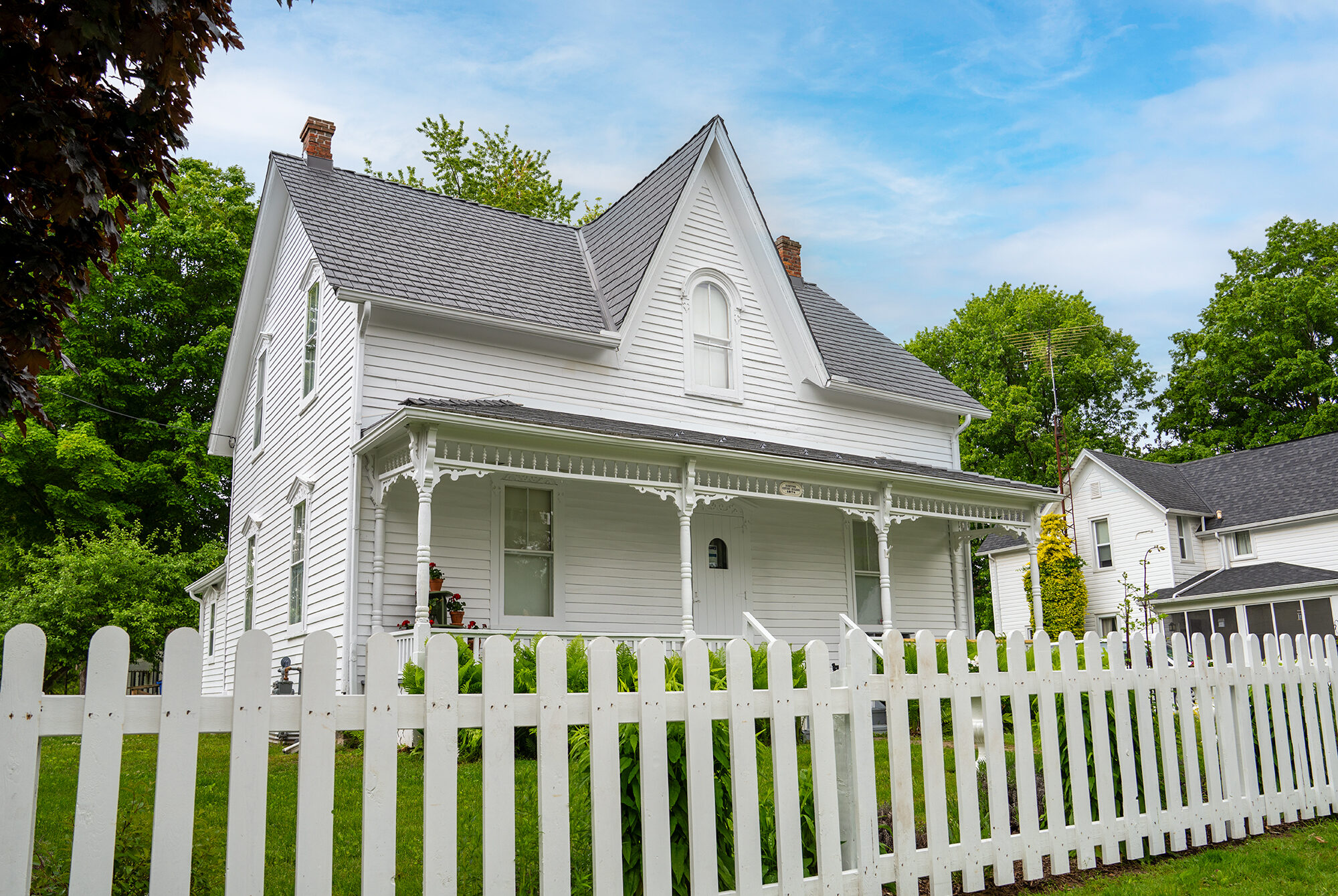
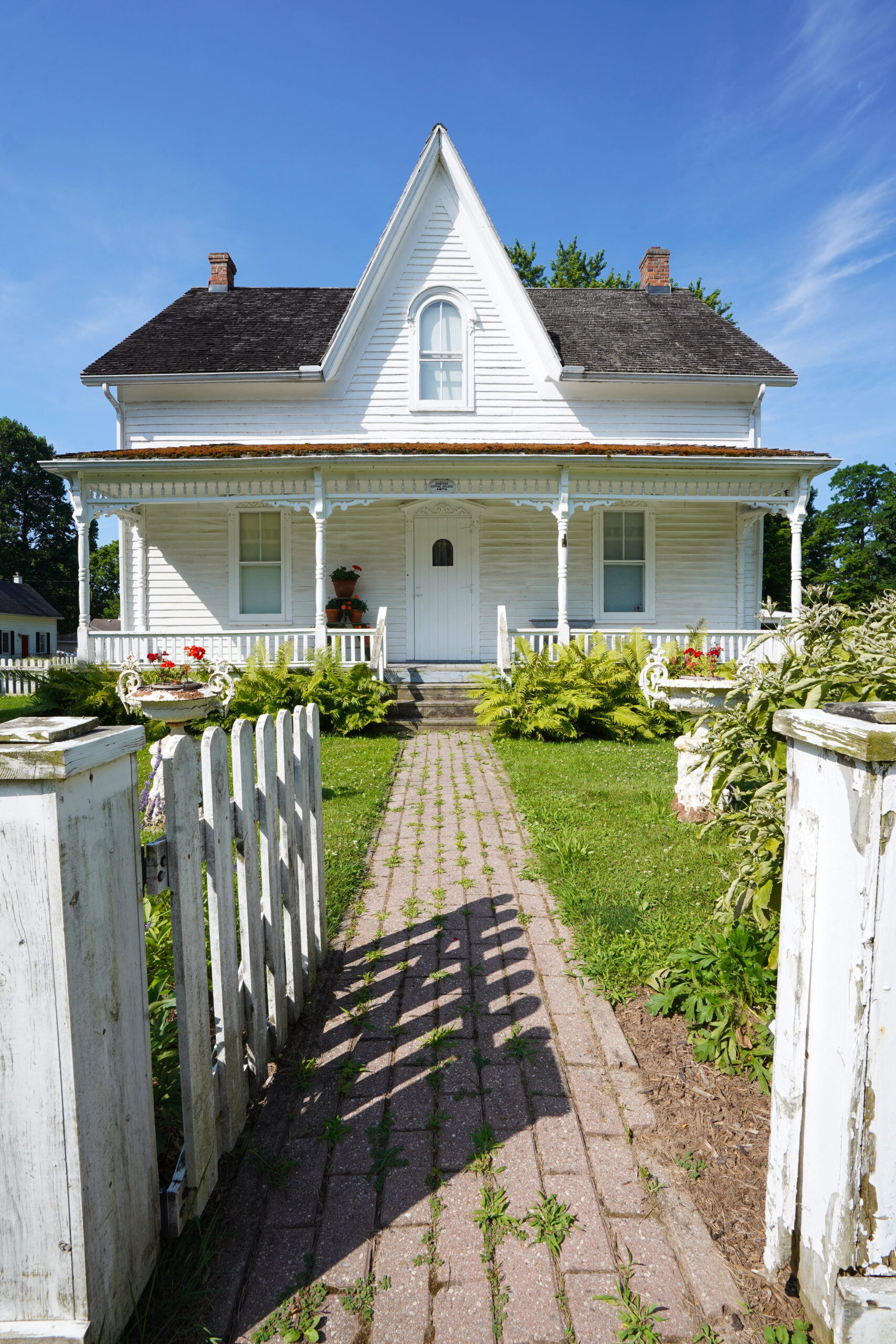
The Ridge House Museum is a restored Victorian home built in 1875. This Gothic Revival house offers a glimpse into everyday life in rural Ontario during the late 19th century.
This house was purchased by the Ridgetown Rotary Club as part of the town’s 1975 centennial celebrations and transformed into a museum with the help of the Ridgetown & District Historical Society. Today, it preserves and shares the stories, artifacts, and heritage of Ridgetown and the former Howard Township.
Proudly operated by the Municipality of Chatham-Kent’s Arts and Culture division, the Ridge House Museum connects the community to its past in a warm and welcoming setting.
George Mulholland purchased the lot at 53 Erie Street for $85.00 in 1874. The lot was originally part of the William Marsh’s land grant and had been cleared and subdivided. Chestnut and Oak Streets were surveyed at this time.
Mulholland built the house in 1875 for $200. With a population of 1027, Ridgetown was incorporated as a village that same year.
Mulholland, his wife, and their eleven children were the first residents and lived there for two years. Little is known about the Mulholland family after they left Ridgetown.
The house was sold in 1877 for $450 to Ben Shupe. In 1884, the house was sold to Alex Clark for $800. It was owned by David Watterworth and then by Dr. David Green before it was sold to Charles Scane, who served as one of Ridgetown’s first councillors, in 1890. The house adjoined Mr. Scane’s large sawmill, lumber yard, and sash and door factory. The house was purchased by Karl Mayhew in 1918 and sold to Percy Galbraith the following year. The Galbraith family lived in the house until it was sold in 1974.
In 1974, the Ridgetown Rotary Club purchased the house to restore it to its 1875 appearance as the club’s centennial project. It was restored as a typical middle-class home in partnership with the Ridgetown & District Historical Society. Ridge House Museum officially opened in December 1975.
The house is built in a Gothic Revival style. This style can be seen on everything from grand houses to cottages to university buildings and is characterized by symmetrical layouts and highly decorative features. On houses and cottages, the Gothic Revival style often features a high peaked front gable and a full porch with decorative wood detailing called gingerbread work.
The story of the Ridge House Museum begins in 1874, when George Mulholland purchased a lot at 53 Erie Street in Ridgetown, Ontario, for just $85. The land had once been part of the William Marsh farm and had been cleared and subdivided as the town grew. Streets like Chestnut and Oak were being surveyed, setting the stage for a new chapter in Ridgetown’s development.
In 1875, Ridgetown was officially incorporated as a village with a population of 1,027. Mulholland built a modest home on the lot for $200. He and his wife lived there with their eleven children – though only for a short time. After just two years, the Mulholland family moved on, and little is known about their life beyond Ridgetown.
Over the next century, the house changed hands many times. It was sold in 1877 to Ben Shupe for $450, then in 1884 to Alex Clark for $800. Ownership later passed to David Watterworth and then to Dr. David Green. In 1890, the house was purchased by Charles Scane, one of Ridgetown’s first town councillors, who lived next door to his sawmill, lumber yard, and sash and door factory. Later owners included Karl Mayhew in 1918 and Percy Galbraith in 1919. The Galbraith family remained in the home until 1974.
As Ridgetown prepared to celebrate its centennial in 1975, the local Rotary Club purchased the house as their commemorative project. Partnering with the Ridgetown & District Historical Society, they restored the home to reflect its original 1875 appearance as a typical middle-class Victorian residence. In December 1975, the Ridge House Museum officially opened to the public.
The house itself is an example of 19th-century Gothic Revival architecture, a style seen across Ontario in everything from cottages to cathedrals. The house features a symmetrical layout, a steep front gable, and decorative wood trim known as “gingerbread” detailing.
Today, the Ridge House Museum stands as a window into the past, preserving the story of early life in Ridgetown and celebrating the families, trades, and traditions that shaped the community.
There is a video that visitors can also watch, that is a virtual guided tour. It can be viewed on the museum’s laptop in the Discovery Den or on the front porch.
Travel back to the 1800s and explore life in early Chatham. Watch our Ridge House Museum video teaser and capture a glimpse of the past!
This is not the original staircase to the house. When the Ridgetown Rotary Club began their restoration work in 1975, it was discovered that the original staircase was too damaged to salvage. This staircase was donated to the museum by the McKinley Funeral Home on Main Street in Ridgetown. The building that houses the funeral home was once the home of a wealthy family and so this staircase is made of high quality materials and is ornate.
A calling card was a small, decorative paper card that was carried by individuals to present themselves to others. Calling cards were in fashion for much of the 18th and 19th centuries. They were carried by both men and women and could be purchased at a printer for around 25 cents for a pack of ten in 1875. The cards would be custom printed with your name. Calling cards were left at homes, sent to individuals, or exchanged in person for various social purposes.
The calling card shelf was a common feature in an upper class home. A middle class home like Ridge House may also have had one.
The Ridge House did not have electricity in 1875. Oil lamps would have been used throughout the house for light, like the one hanging from the ceiling in the entrance. Oil lamps were high maintenance, and required frequent cleaning to keep the light bright and prevent fires.
The parlour is where the family would have entertained guests. With the exception of special days like Christmas, children would not have been allowed in the parlour.
It was common to have a portrait of Queen Victoria in a home in 1875 because Canada is a constitutional monarchy and she was the reigning monarchy.
Queen Victoria was born at Kensington Palace on May 24, 1819. She became queen in 1837. Queen Victoria died January 22, 1901.
The period of Queen Victoria’s reign is known as the Victorian era. Many customs and traditions that we have today were established during the period of Queen Victoria’s reign.
A stereoscope is a device for viewing stereographic cards. These cards contain two separate images that are printed side-by-side to create the illusion of a three-dimensional scene. Stereoscopes were a form of entertainment for children and adults. Stereoscope cards might tell stories or show images of far-off places.
Music was a popular form of entertainment when guests were visiting. The carved walnut pump organ was made in Woodstock in the 1870s and is in working condition.
It was popular to make wreaths of various items. The one in the parlour was made using seeds, popcorn, and pumpkinseeds.
The woodwork between the dining room and parlour is known as fretwork. Fretworks are common features in Victorian homes.
The dining room was used by adults while the children ate in the kitchen under the supervision of a maid or their grandmother. The small stove could have been used to make tea for visitors. It would have also been a good source of heat for the dining room and parlour.
This bookcase was made by Robert Smith of Chatham for his daughter Louisa Jane’s wedding to Arthur Delmege in 1881. The book case was made of burled walnut wood in two sections. The bottom half has a drawer that can be pulled out and folded down to be used as a writing desk. The top half displayed books.
The dishes on the top shelf of the bookcase are trimmed in 24 karat gold and would have been quite expensive. A middle-class family would likely not have had such an extravagant set. This particular set of dishes was made in the 1880s-90s.
The dishes on the lower shelves of the bookcase are in a style known as “flow blue.” The name comes from the blurry quality of the blue lines. The graphics on the dishes are created through a printing process called transferware. The dishes and graphics were mechanically produced, making the dishes more economical.
Both the sideboard and dining table were made by Augustus Liebner, a cabinet maker in Morpeth. They are made of walnut wood, a widely available native wood in the 19th century. These pieces are examples of his early work and are quite simple in design and style. Mr. Liebner’s portrait is on the wall beside the bookcase.
Look closely at this picture and you’ll see that the infant held by the women on the left front row has been superimposed onto the photograph. It was long thought that this child had passed away before the photograph was taken and was subsequently added to the portrait as a memorial. This was not an uncommon practice in the Victorian era.
Later research uncovered a first-hand account from the photographer of the day the photo was taken. Victorian photos took a while to expose properly, and as such, the subjects needed to be still for long enough to complete the exposure. The infant just could not keep still for the photographer and was photographed separately. The photographer used a photo montage process to add the baby to the family print.
The Magic Lantern was used for both entertainment purposes as well as for education. Travelling lantern shows were popular. Colourful glass slides would be placed in the slot, and the light from the oil lamp would reflect off mirrors inside. The image would be projected onto a white sheet. Stories could be told along with the slides.
The kitchen was typically the busiest room in a house and the room where the family would have spent much of their time together.
In 1875, the stove was used for food preparation, and was also the main source of heating for the house in the winter. The exhaust pipe extends horizontally through the kitchen to help warm the room.
This dough box is from Orford Township and was used to store flour. The top surface was used to knead bread dough. Once the dough was made, it could be placed back in the box and kept near the stove to help it rise.
Without running water, a dry sink was used when washing dishes or preparing food. Water from the pump in the backyard would be carried in to the house in buckets. The bowl would be filled and that water used for cleaning.
Boys were given carving knives at a very early age to learn carving skills. They would be expected to produce household items like bowls, spoons, and other things needed in the kitchen. The chains hanging on the wall were carved from one piece of wood and show great skill.
A popular French-Canadian furniture item, the bench was also known as a “settle bench.” This bench folds open to reveal a mattress inside and would be used as a bed.
The family stored their cooking essentials in the pantry. Industrialization had brought consumer goods to Ridgetown by 1875, but it was still necessary to reuse and recycle bottles, tins, and other containers into milk pitchers, cookie cutters and other useful household goods.
The washbasin may have been in this room, used to clean up after dinner, but also to prepare fruits and vegetables for cooking.
Cubed and granulated sugar did not appear on store shelves until very late in the 19th century. A sugarloaf wrapped in paper was the most common form of sugar.
A middle-class home like Ridge House would have used a middling sugar. It was not pure white, but beige toned and wrapped in blue or brown paper. Golden or dark brown sugar was also kept for cakes and cookies.
To use sugar from the loaf, a knife or tongs were used to break lumps off – hence the term “one lump or two” when preparing tea.
In 1875, the house would not have had a full basement. The root cellar would have been a cold spot in the summer and the frost-free area in the winter to store food products such as eggs, milk, vegetables, salted and smoked meats, and fruits.
More than just a landing, this hallway was used as a working space. It provided a convenient area for a mother to look after sewing while children played.
This large chest was used for hat storage. Hats were an important fashion item and, in the 1870s, they were quite ornate. Ladies did not wear hats when at home, but it was in proper to wear one out of the house.
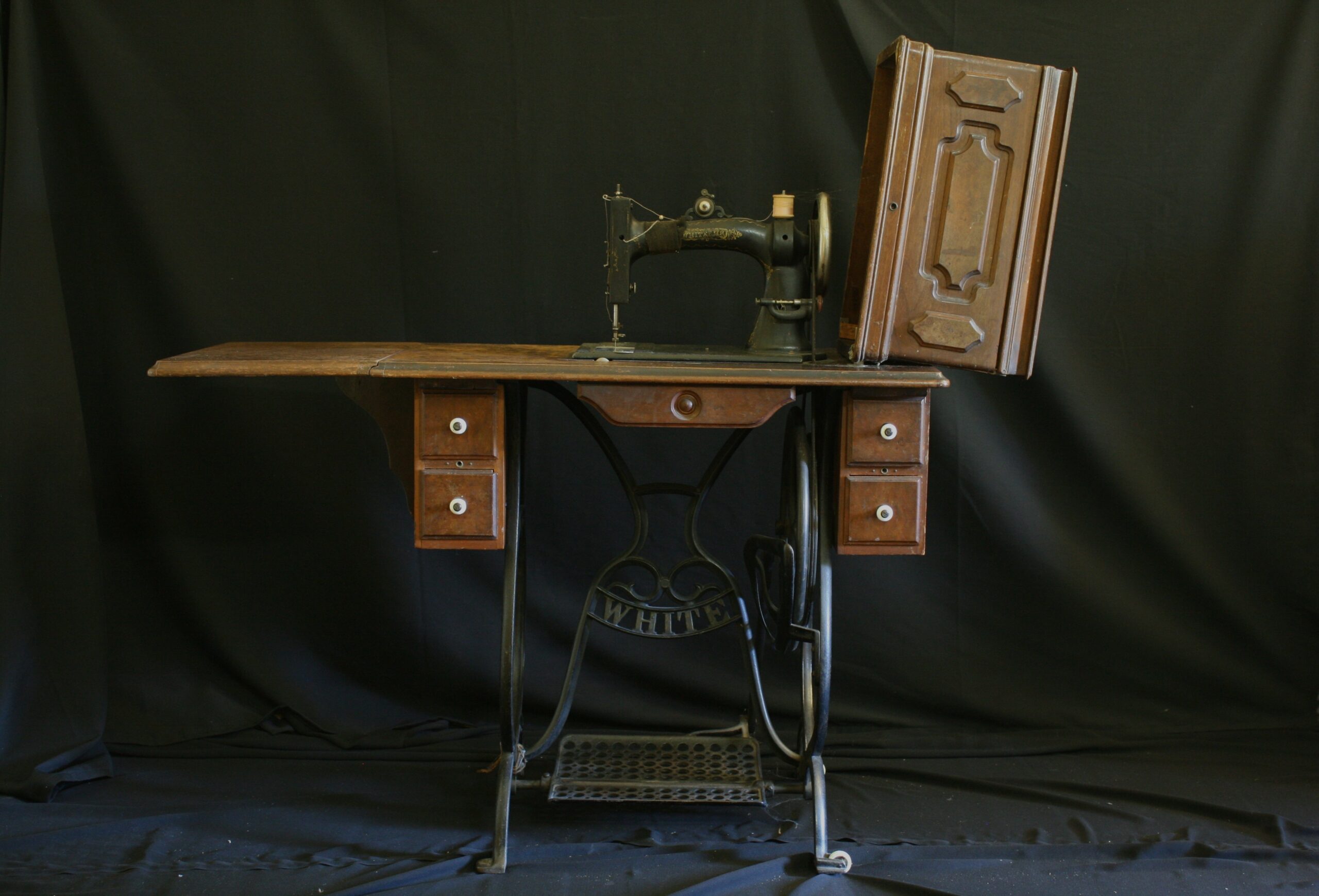
The sewing machine was made by the White Manufacturing Company of Cleveland, Ohio. With no electricty in 1875, the sewing machine was operated manually by rocking the foot pedal. Each press of the foot pedal produces a single stitch. It is placed in front of the window for maximum natural light.
The sewing area is filled with everything that a Victorian seamstress needed. Girls, at around age 8, would receive a sewing kit which contained needles, thread, crochet hooks, and knitting needles. They were expected to take on mending and assemble quilt blocks.
Town dressmakers and tailors were used largely by the wealthy and bachelors (who were without a wife to sew for them), and were considered an extravagance to thrifty families of the 1870s. Knitting, crochet and quilting were all important home crafts that young women were expected to know along with various other crafts such as netting, embroidery, and lacemaking.
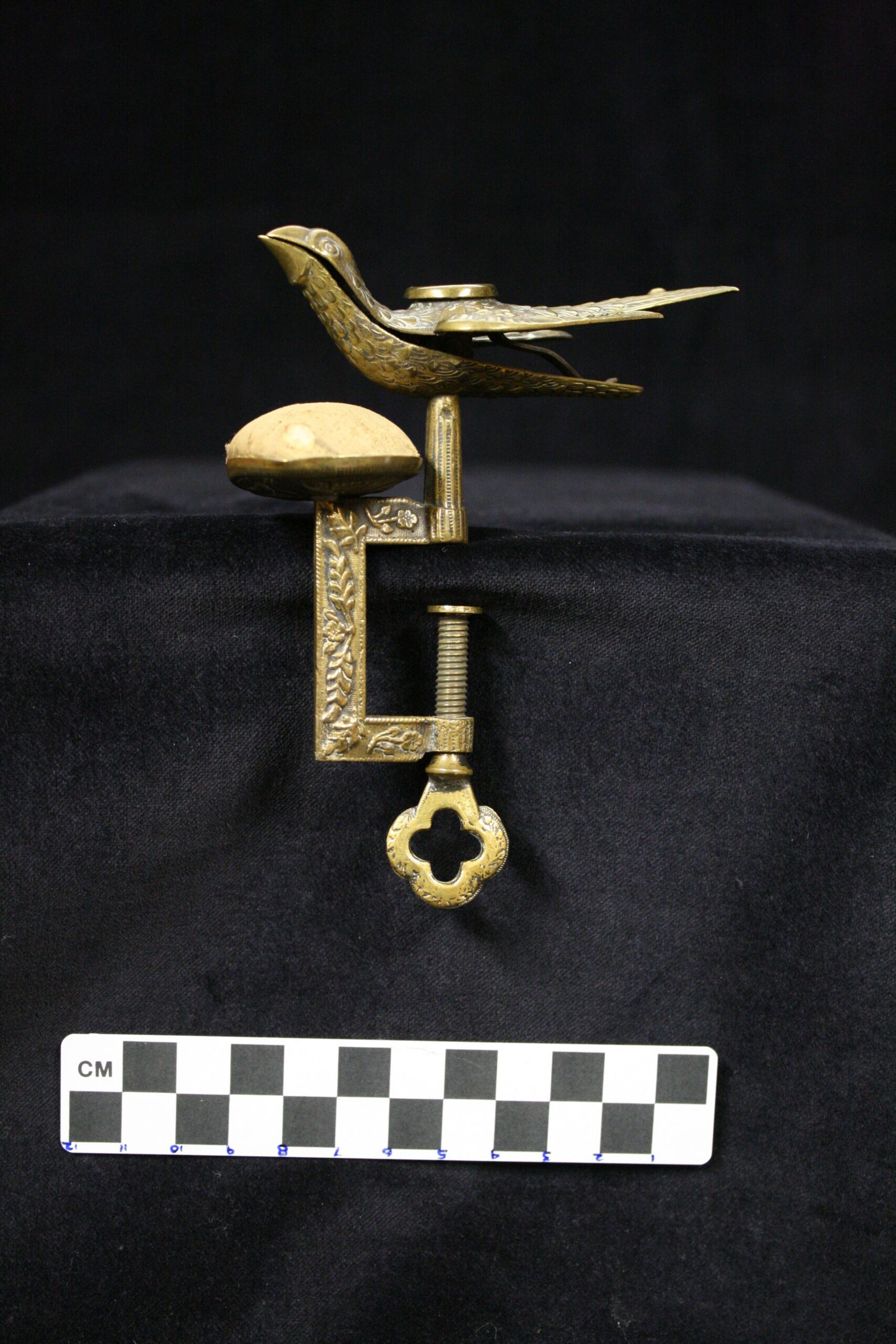
Used before the invention of the sewing machine, the sewing or hemming bird served as the third hand to hold the fabric in place. The wealthier you were, the more ornate your sewing bird was.
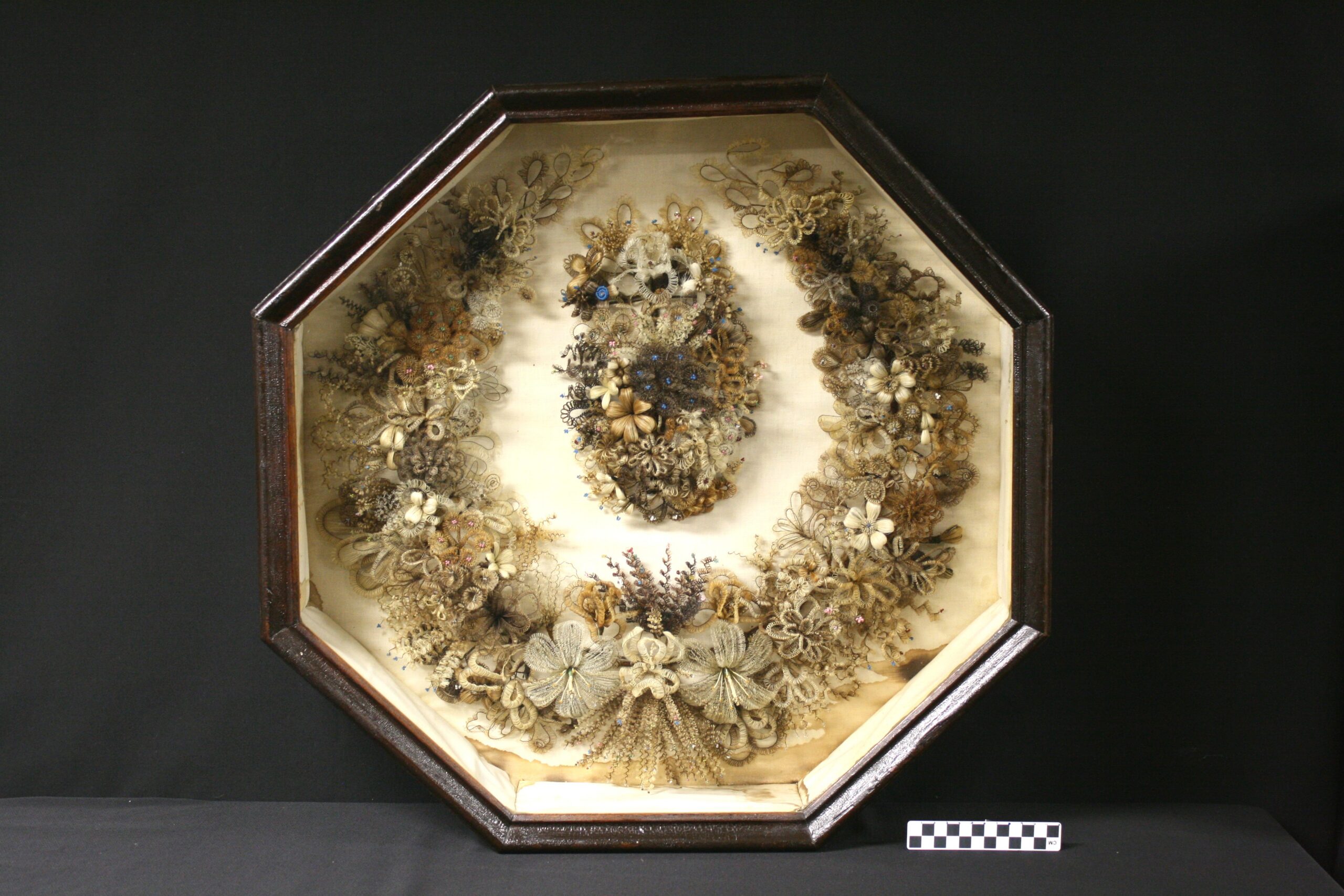
Girls would brush their hair before they went to bed and collect the hair that fell out in a jar. A wreath like this took a lot of hair to make and was considered a family heirloom. They are known as generation wreaths because they had hair of several generations from grandchildren up to grandparents.
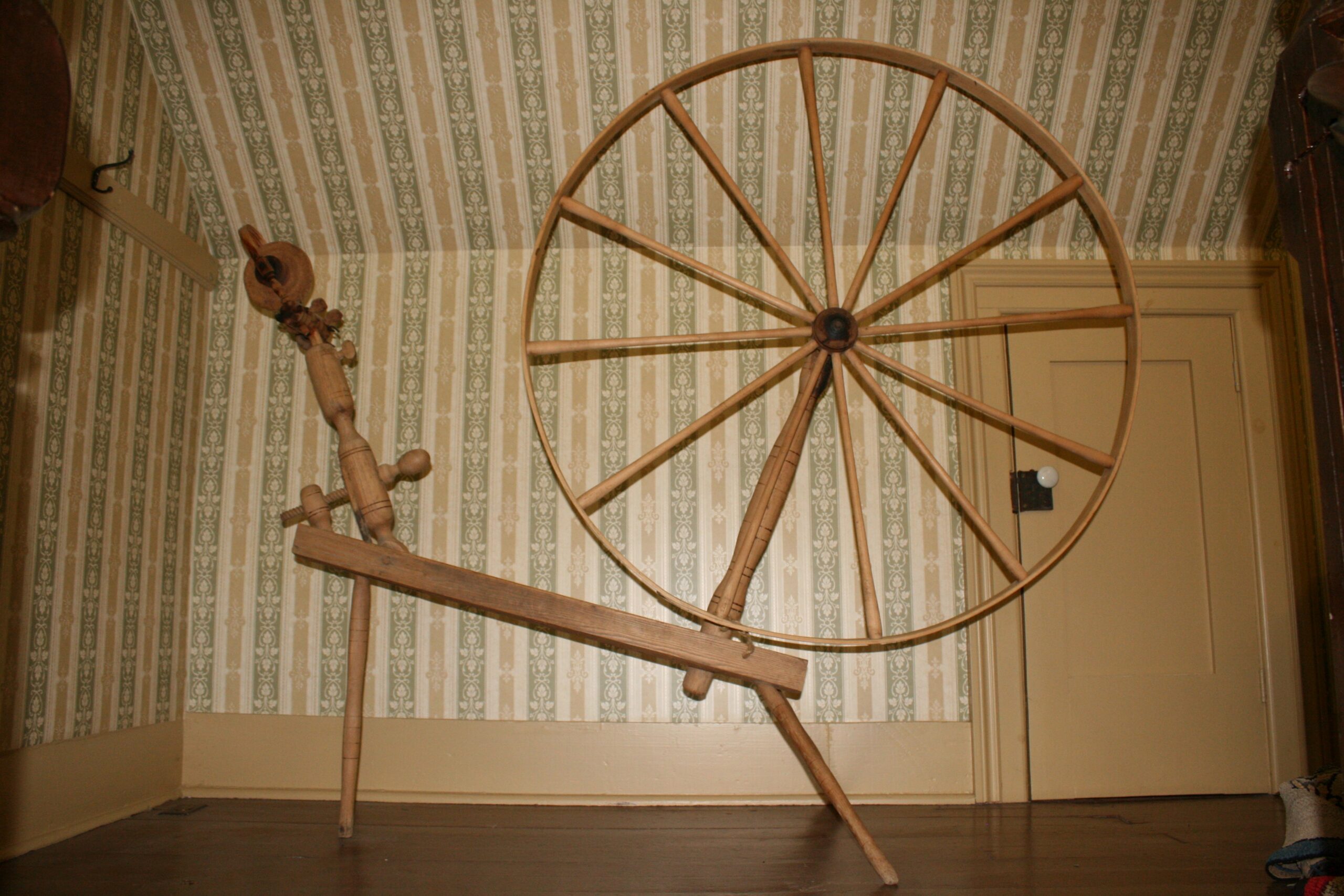
This spinning wheel model is called a walking or great wheel. The wheel had to be turned by hand as the spinner worked – a job often assigned to a child. Women could walk many miles in a day spinning enough yarn to clothe their families. After John Moodie opened his mill in 1856, families may have sent their wool there for spinning, carding, weaving and fulling. Other families continued to spin at home for personal use and, much like today, homespun to sell at local fairs and markets.
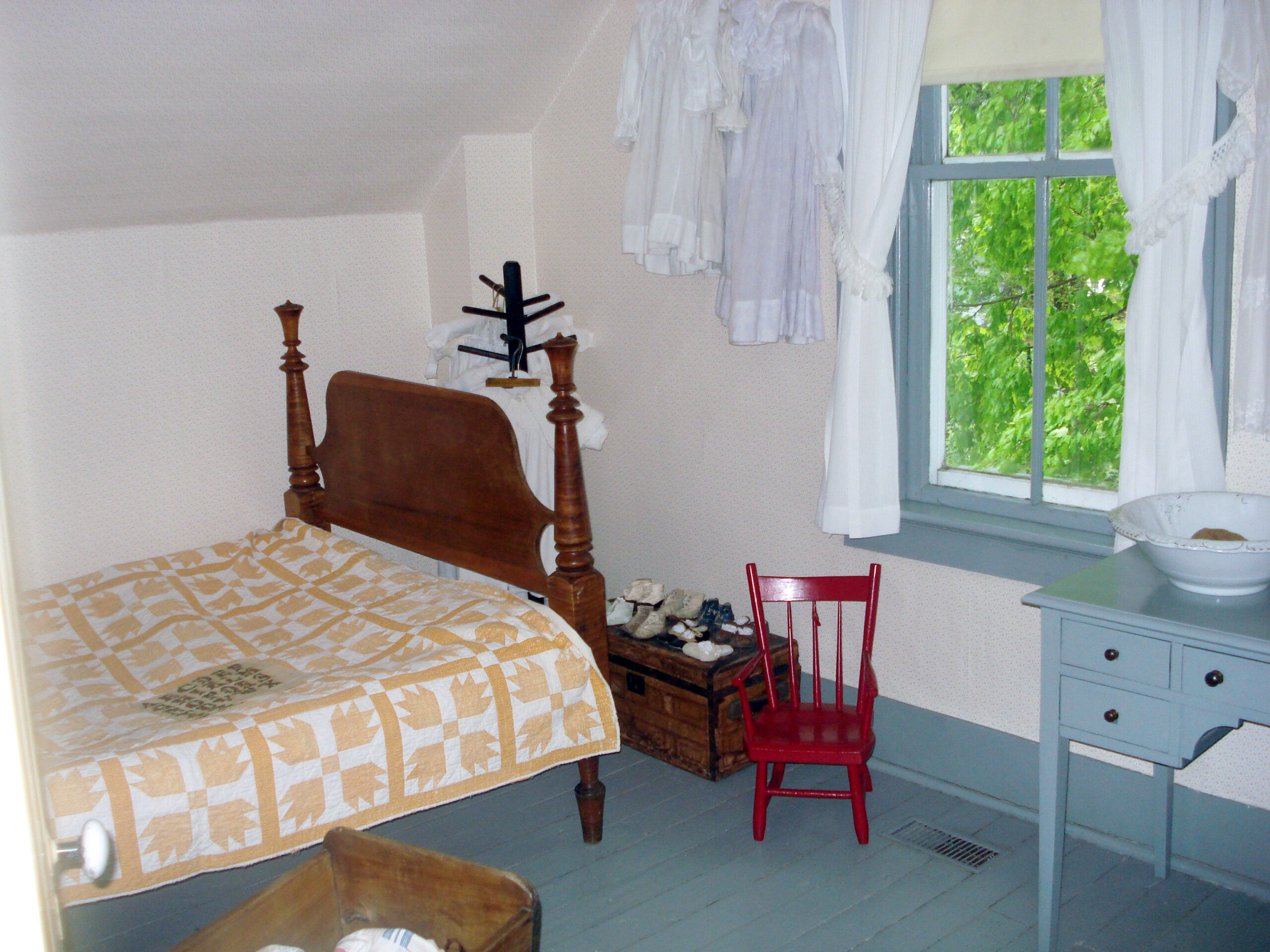
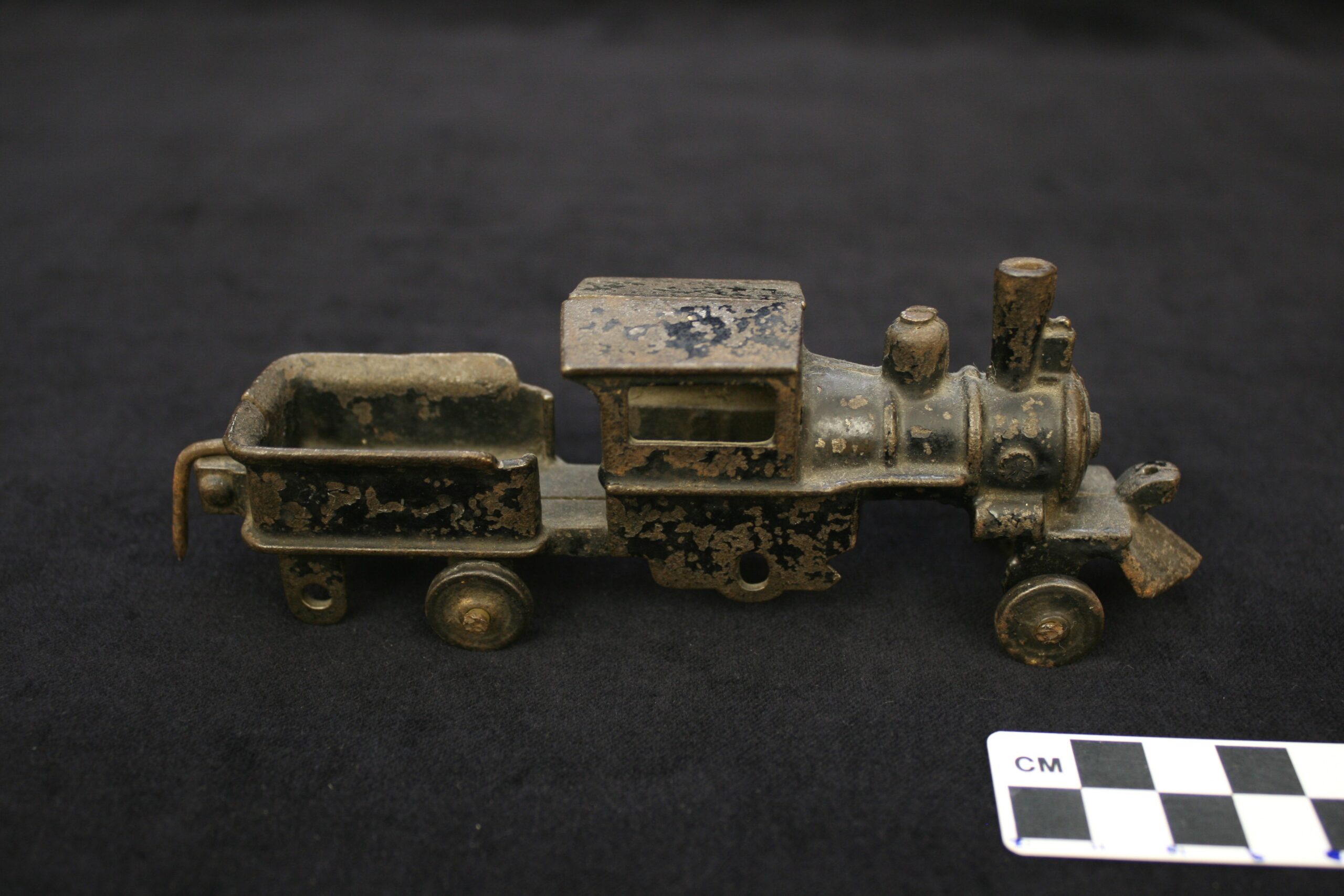
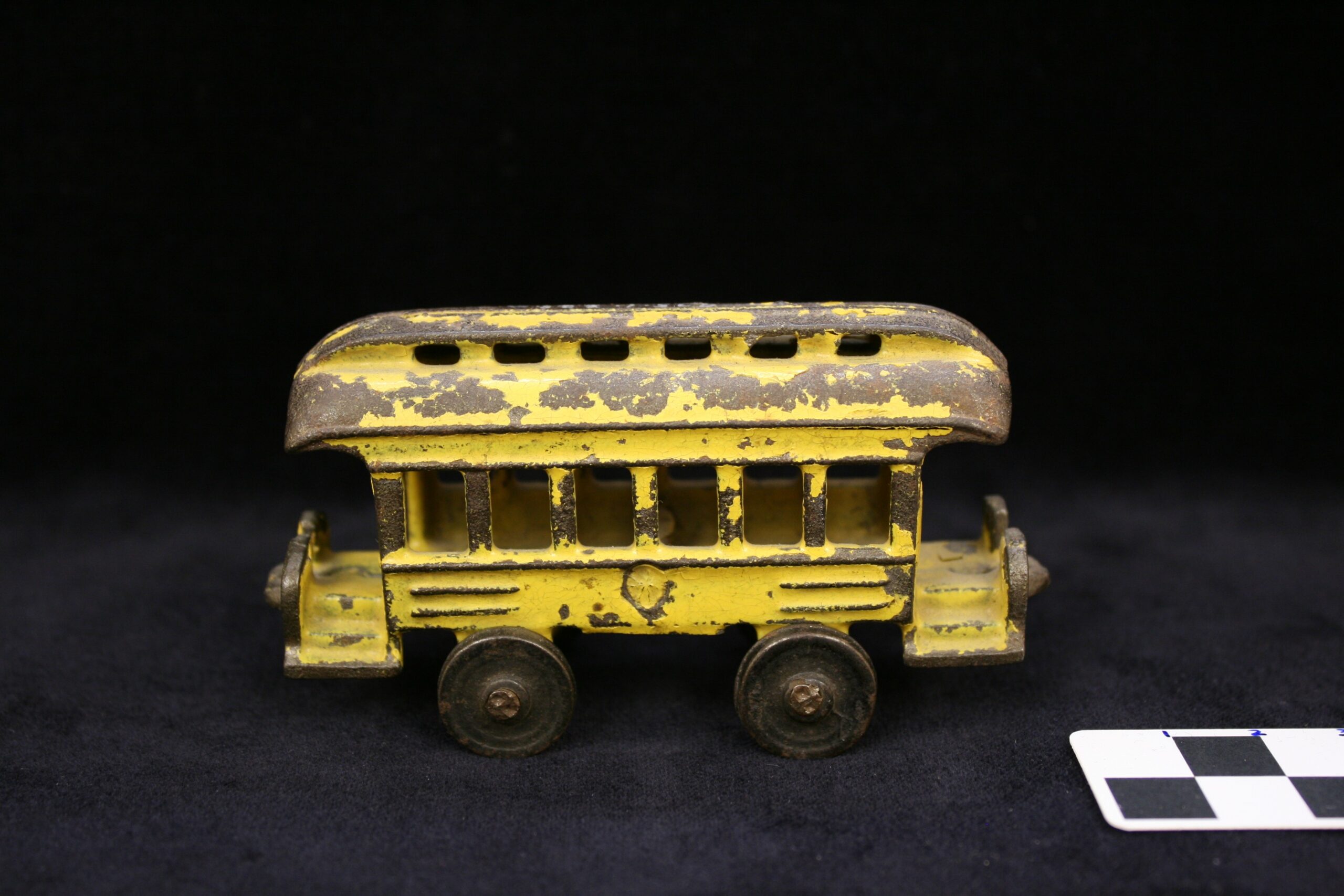
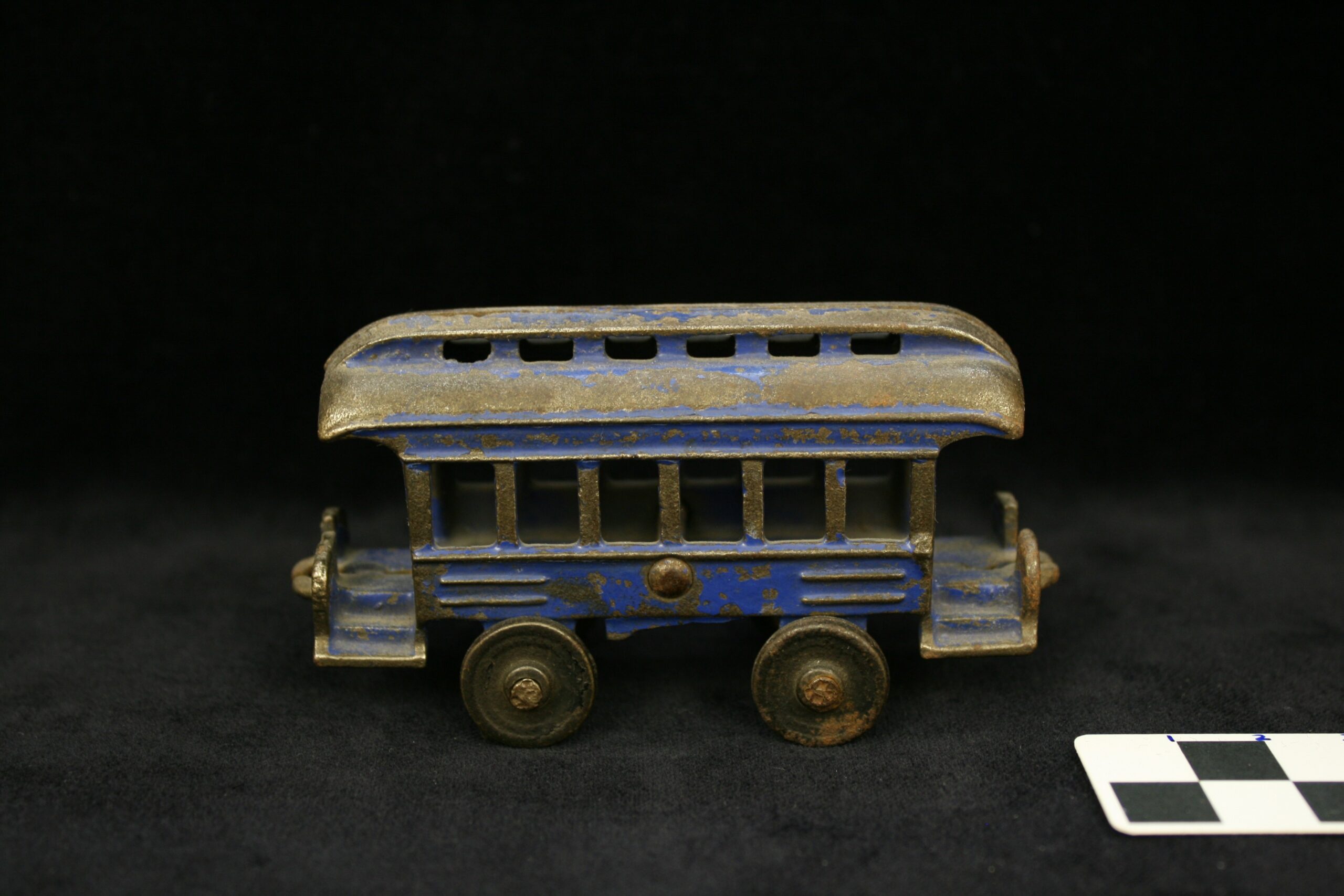
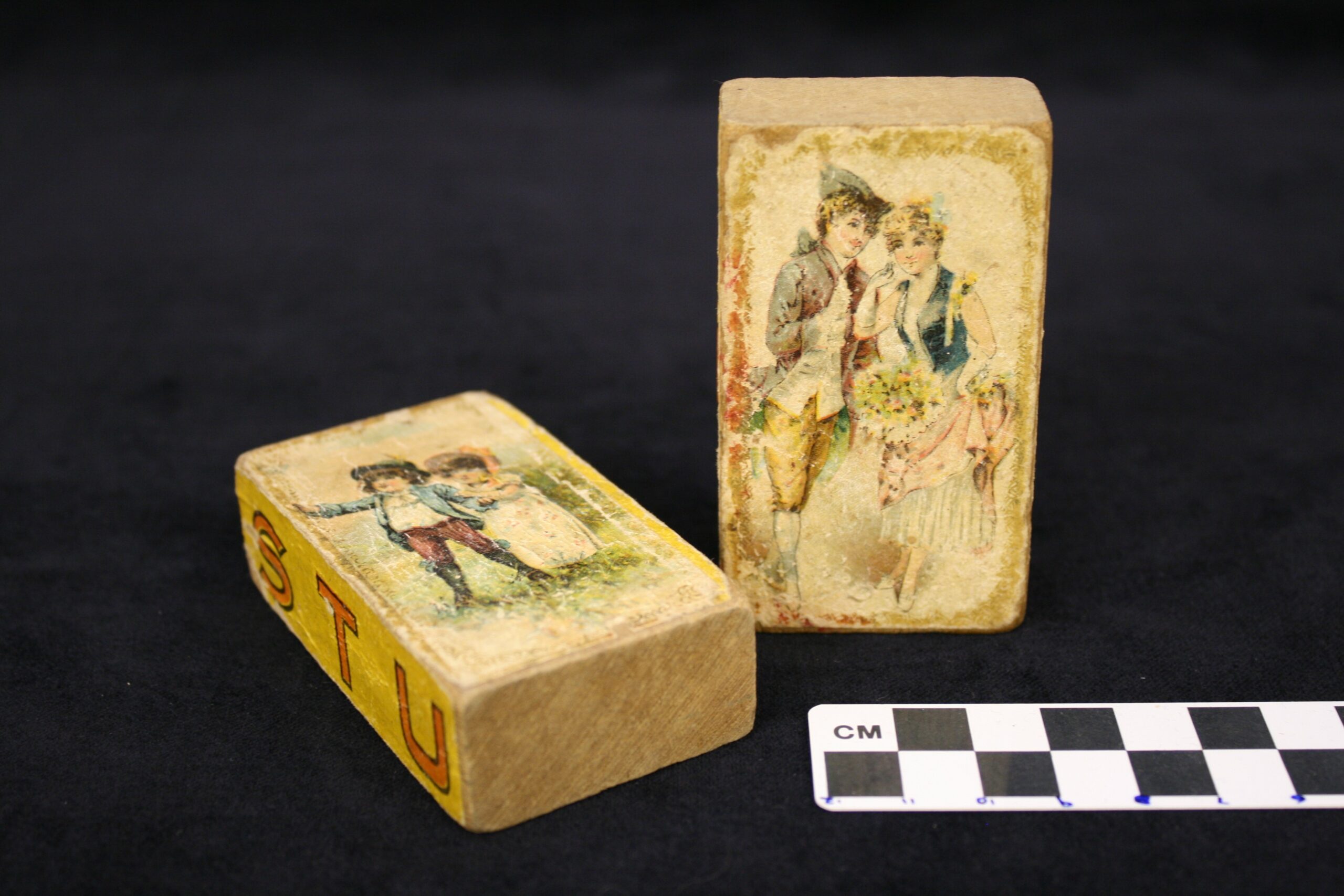
The most common toys in the Victorian era were homemade.
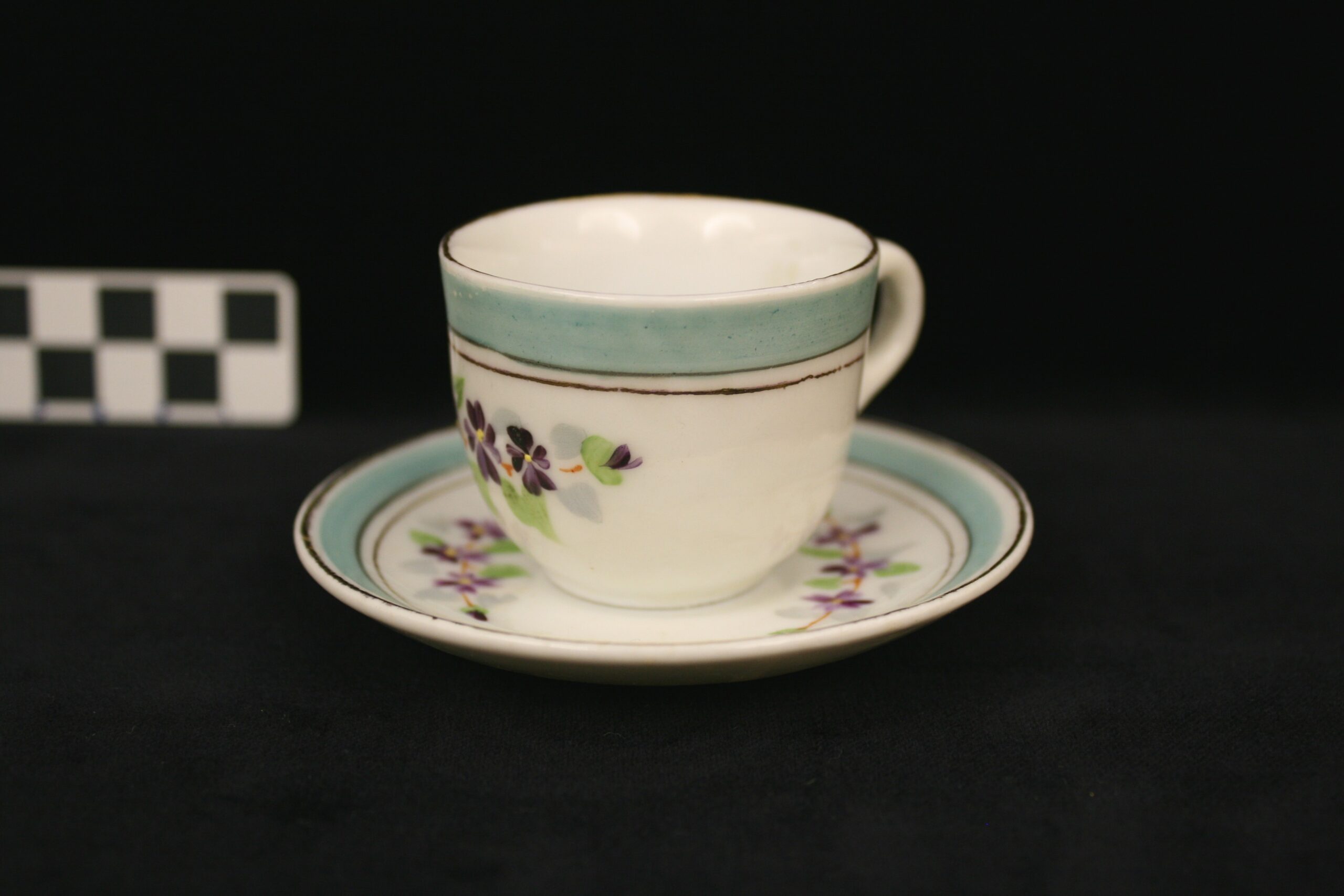
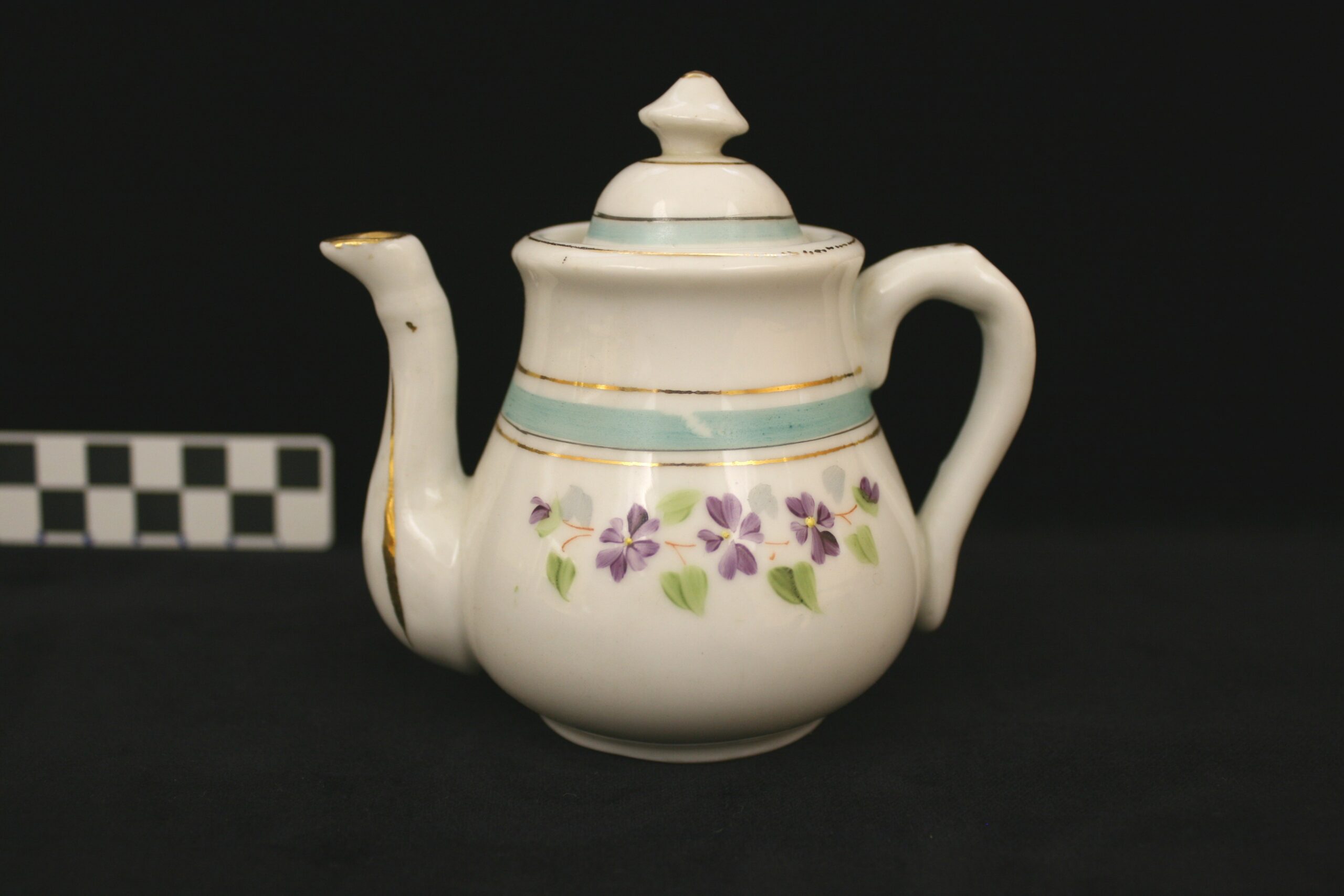
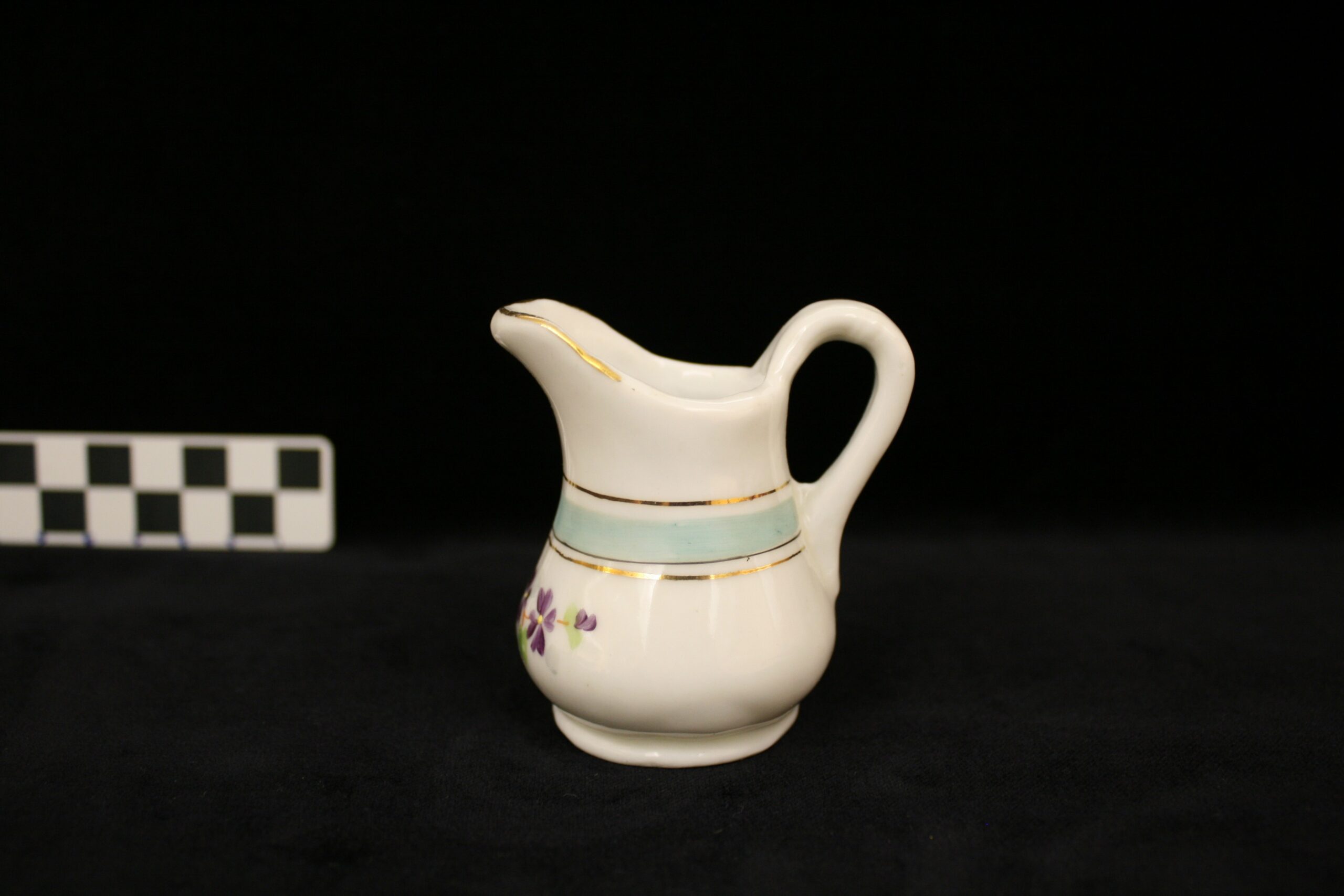
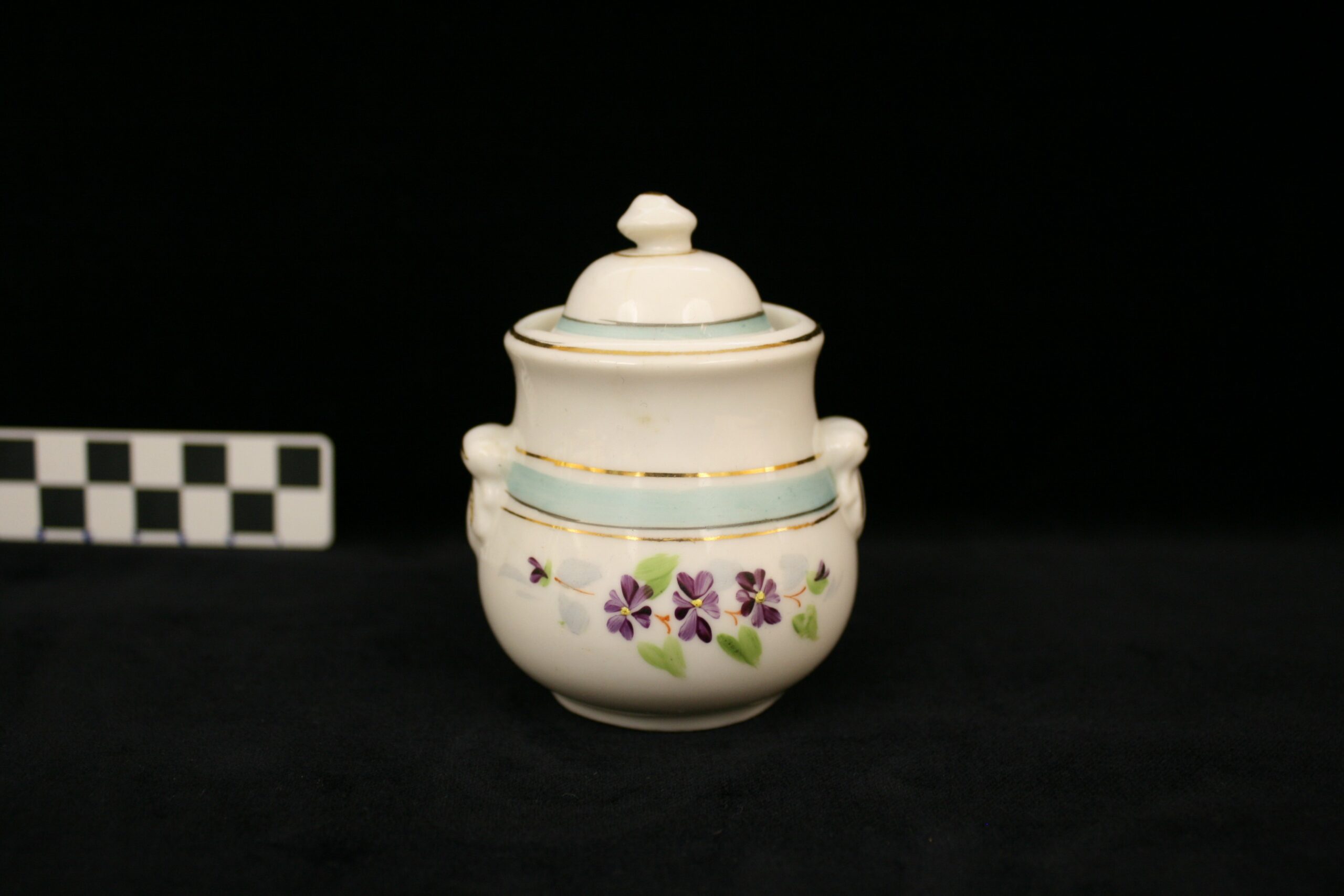
No child in 1875 would have had this many toys. These toys do, however, represent popular themes for Victorian toys like transportation, etiquette, reading, and puzzles.
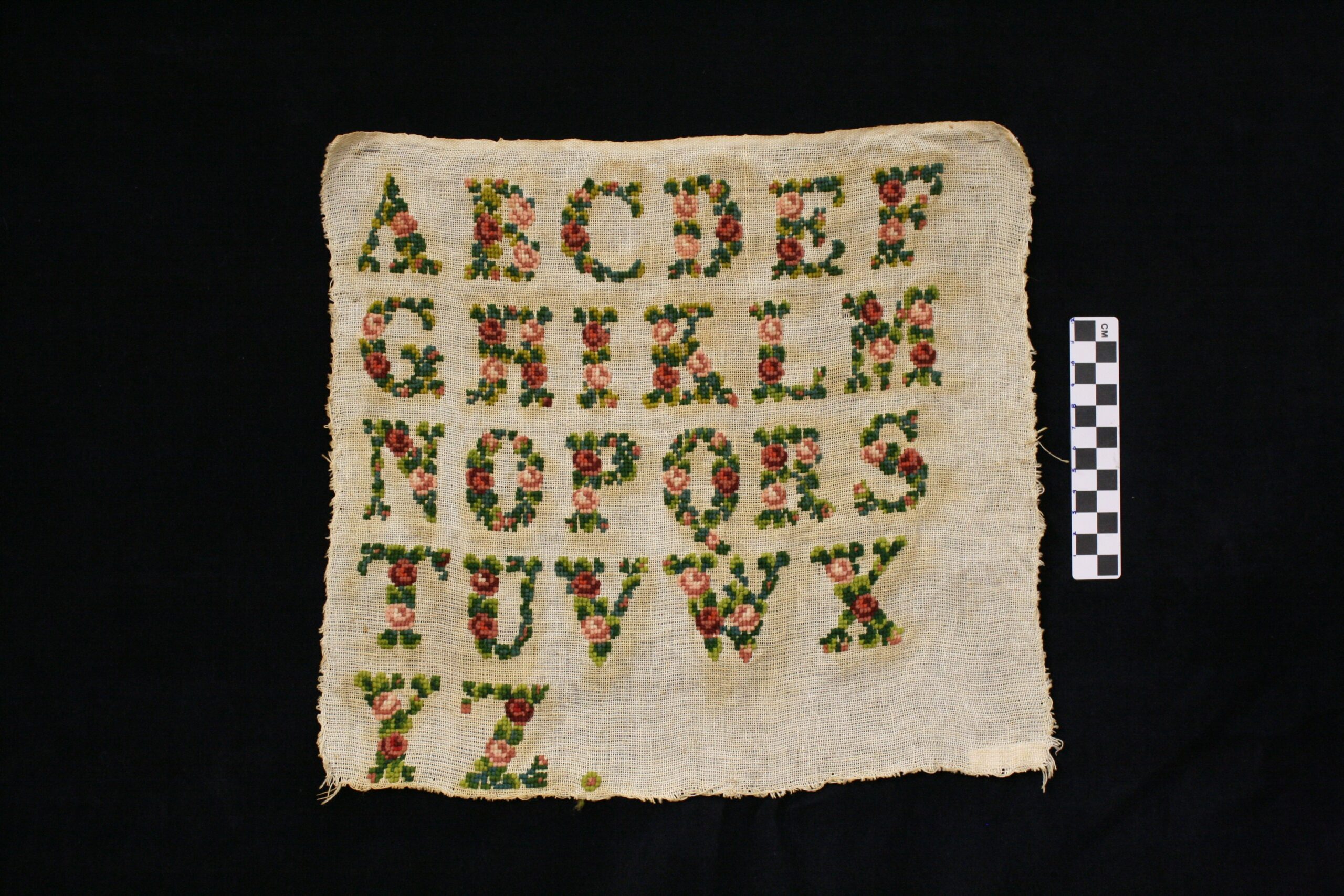
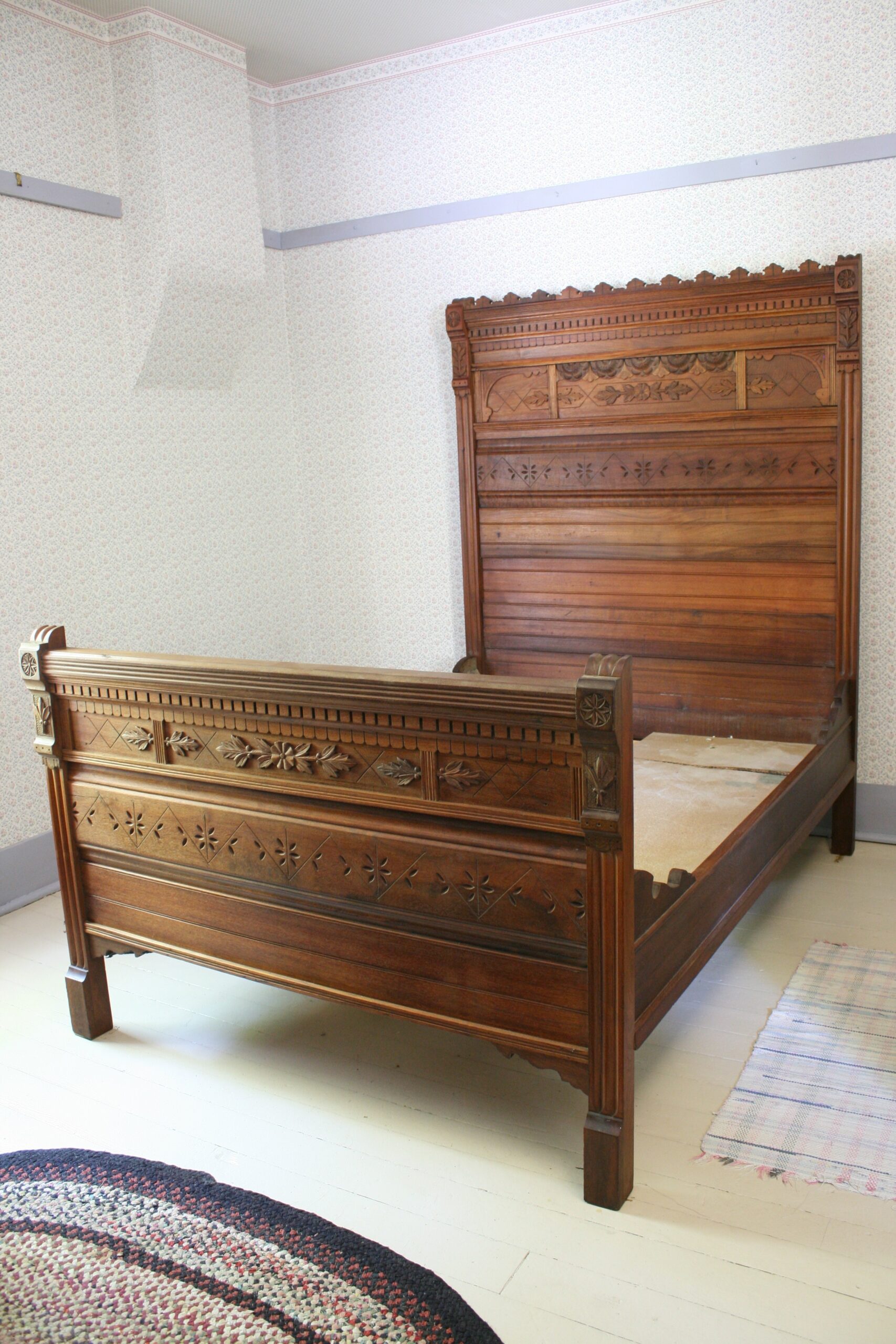
Samplers were practice tools demonstrating various stitching techniques mastered by the producer. Samplers also reinforced literacy and numeracy skills and cultural values. The sampler on the bed would have been made by a girl of about 10-12 years old. In this sampler, the letter “J” is missing. Is it a mistake? It’s hard to say.
A Space to play, create and explore!
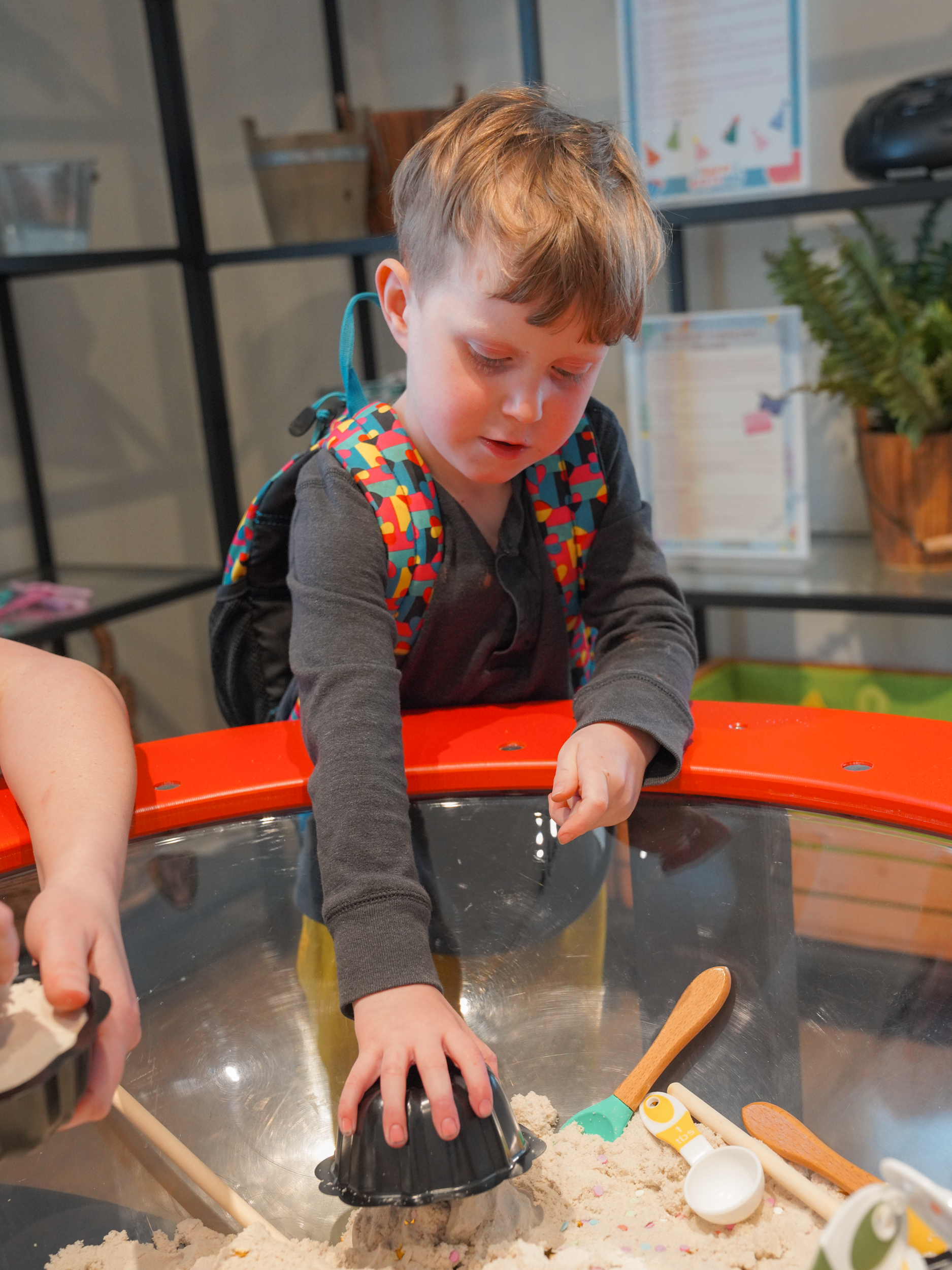
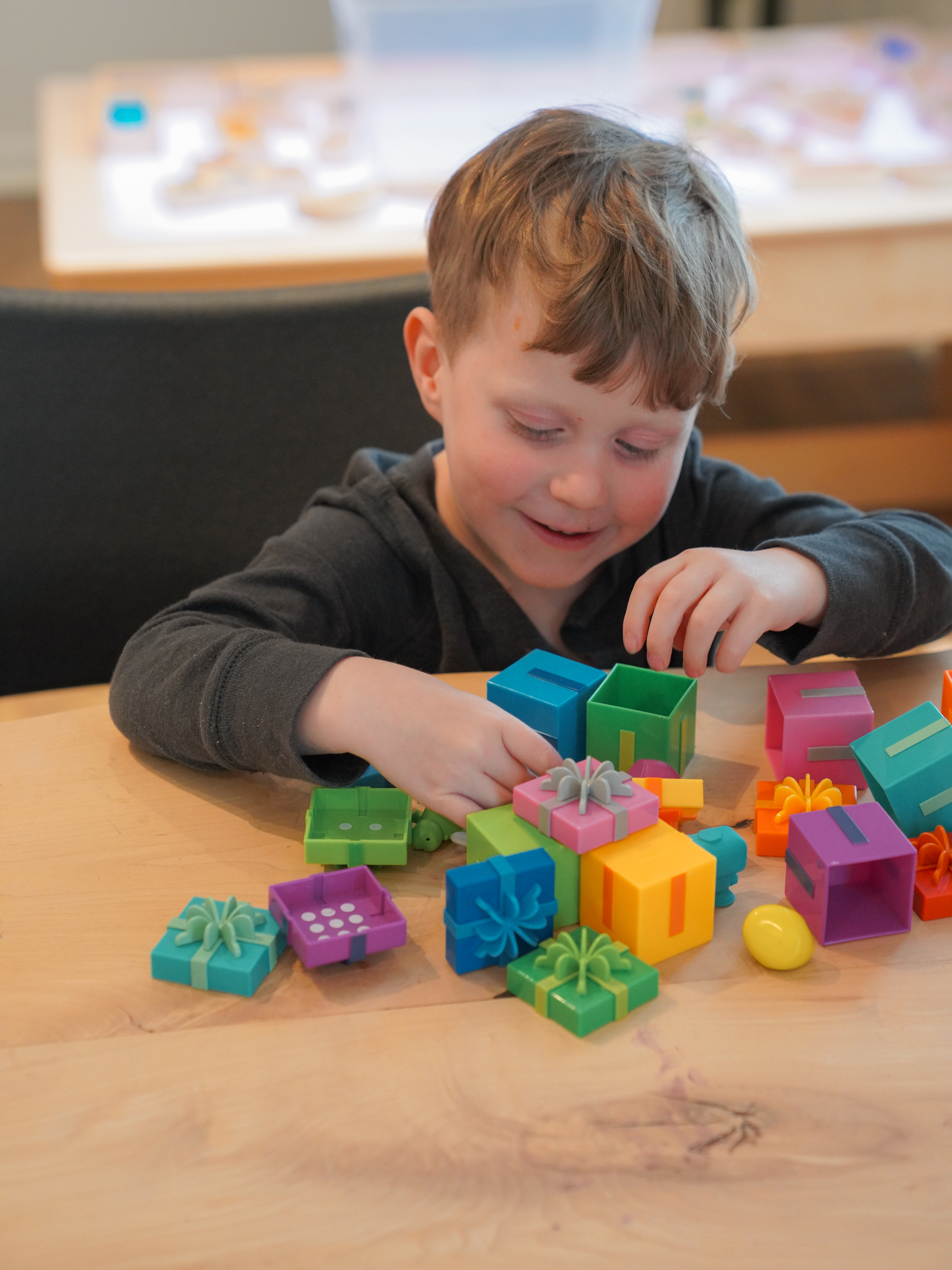
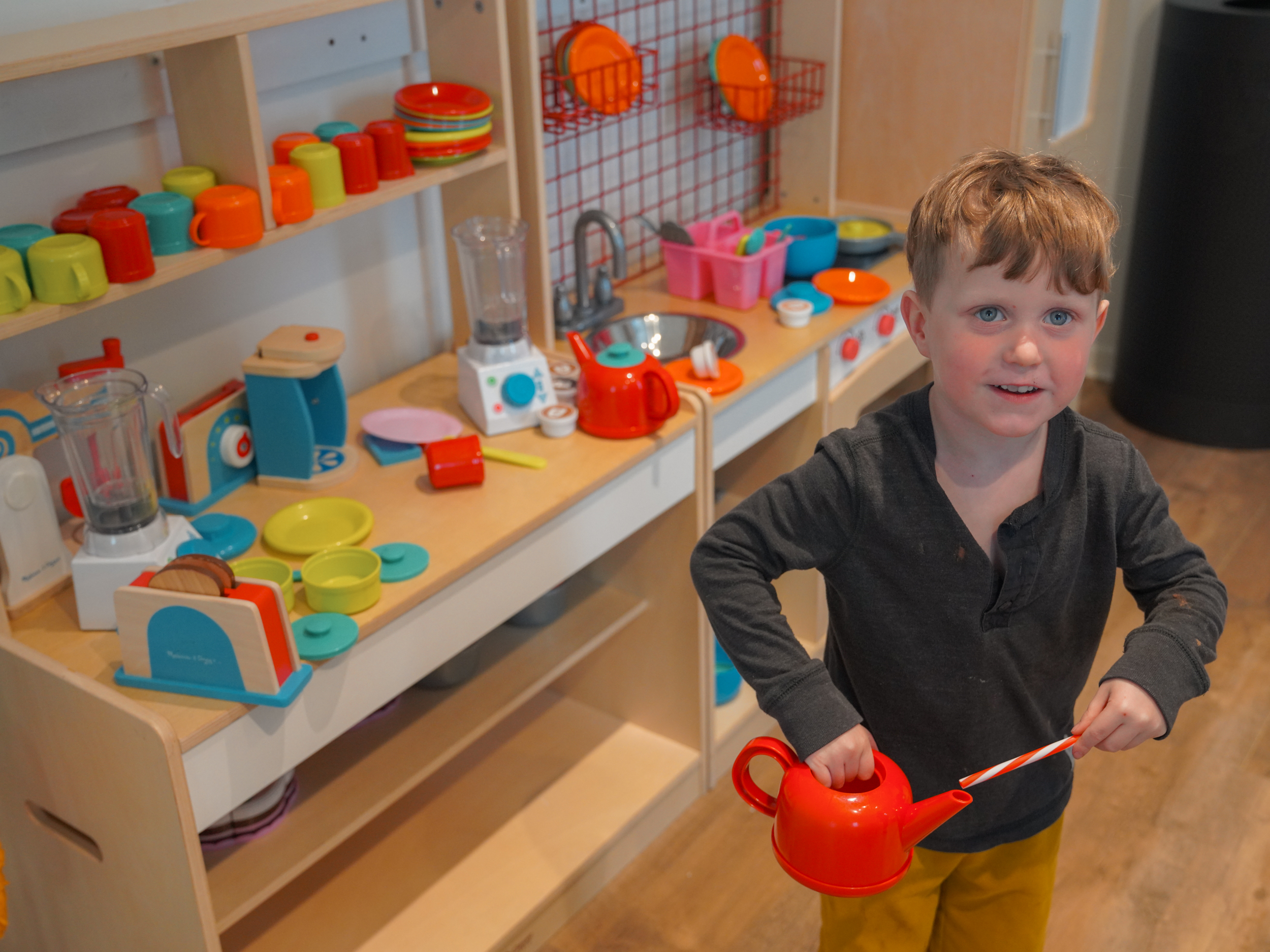
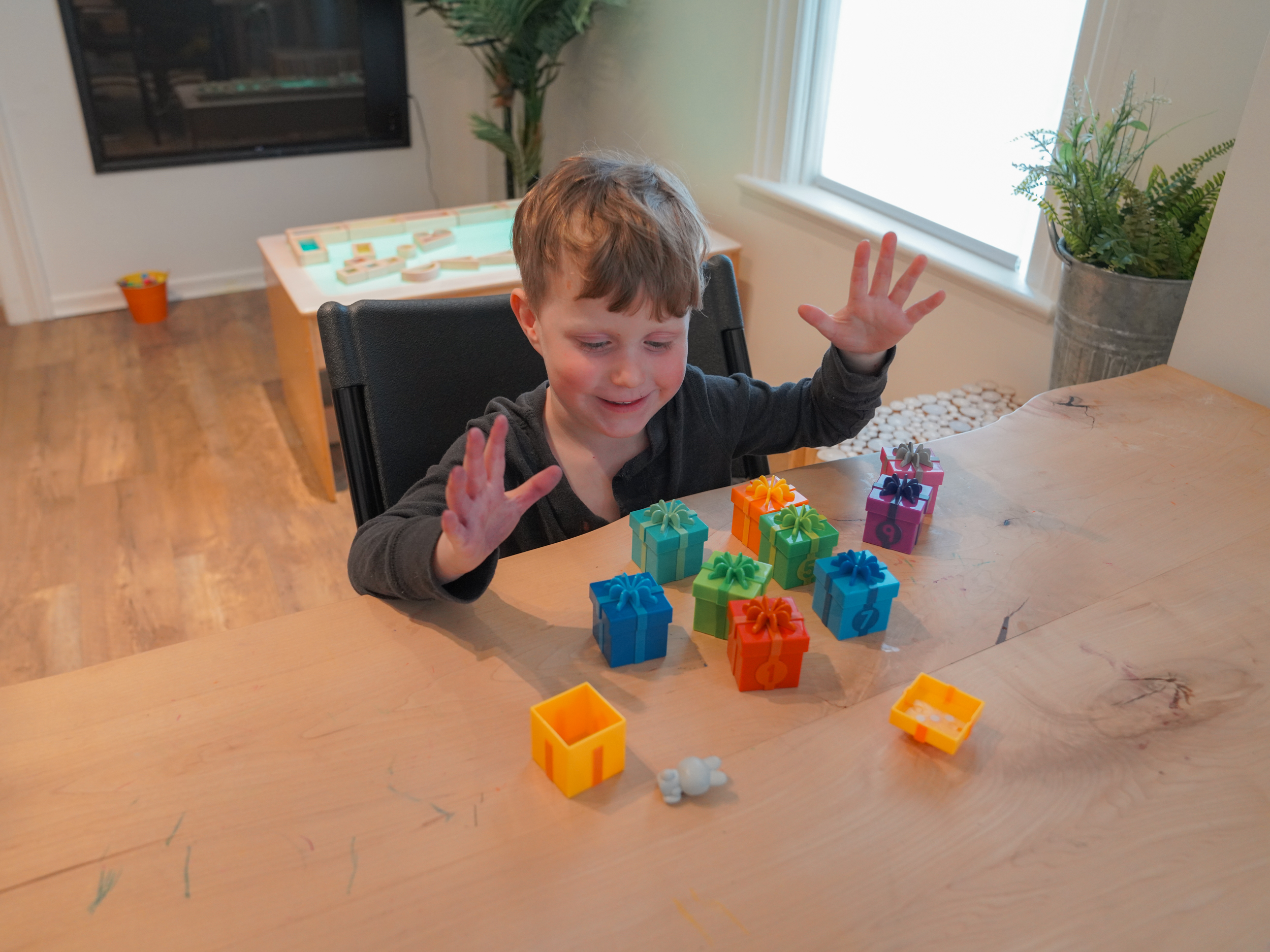
Let your child’s imagination run wild in the Discovery Den—a hands-on, interactive space designed for fun and creativity at the Ridge House Museum.
Perfect for families, this natural-themed room invites kids (and grown-ups!) to explore history through play.
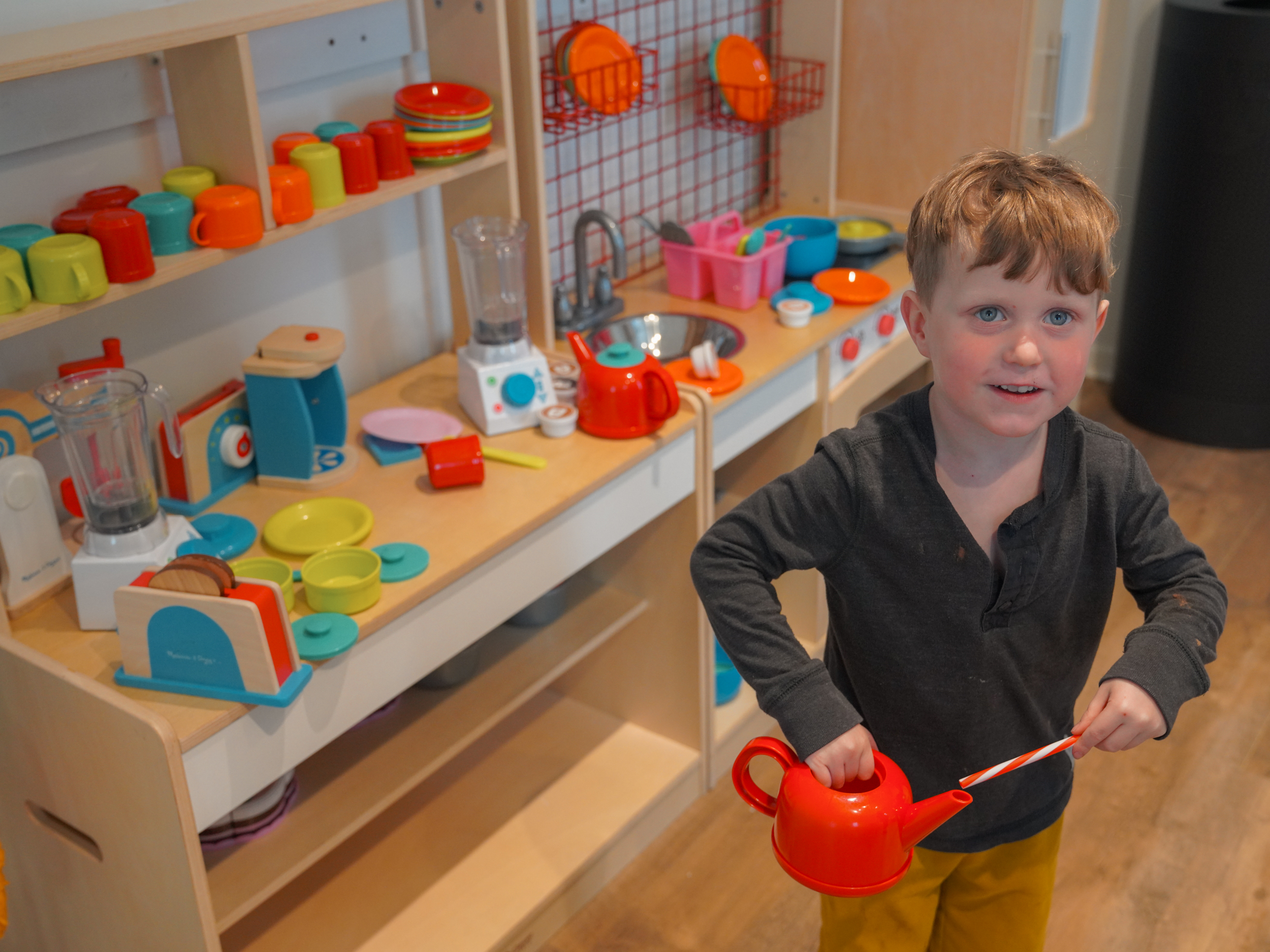
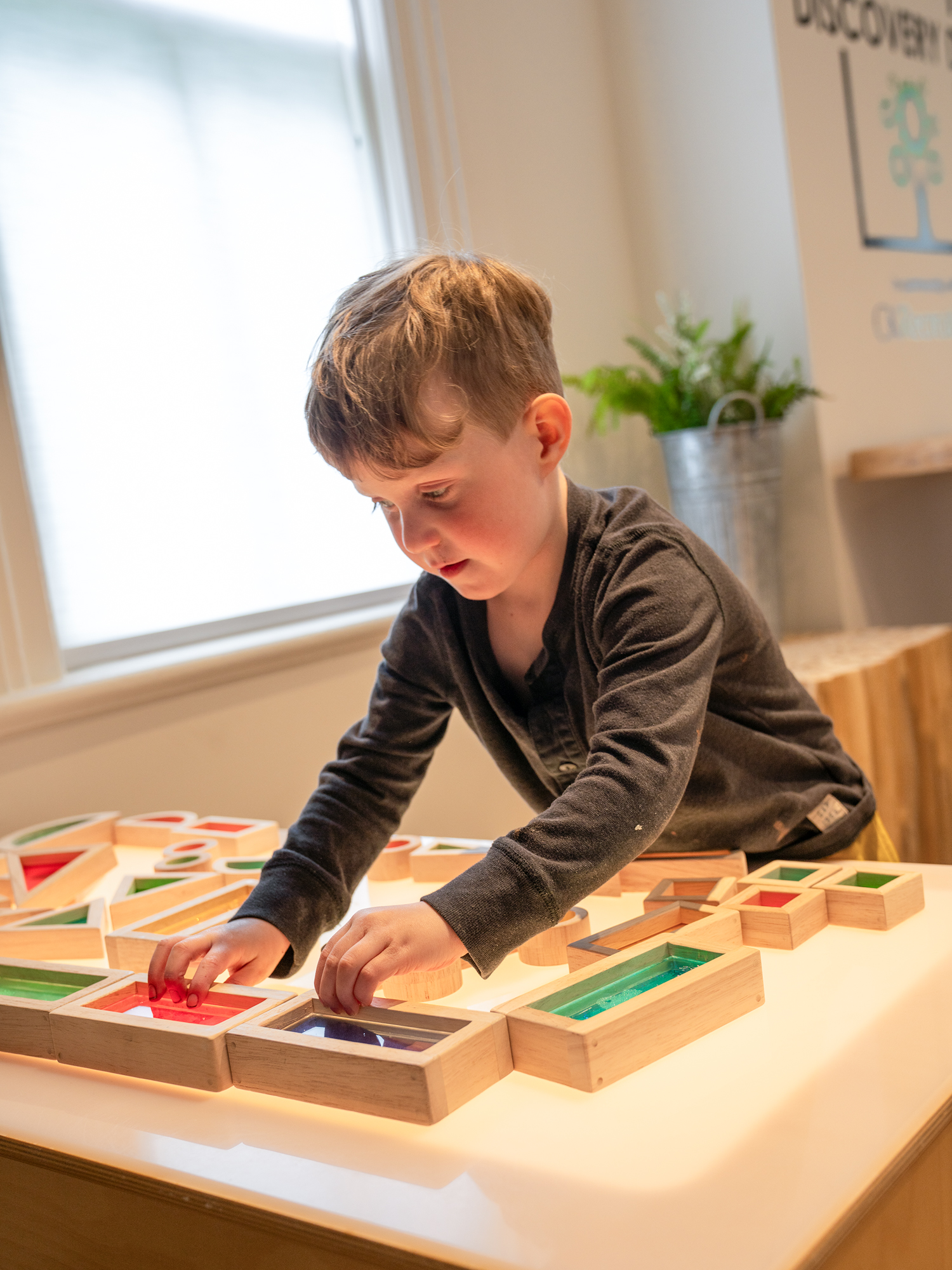
From light-up tables to a magnetic wall, crafts, games, and a kitchen playset, there’s something new to discover with every visit. Enjoy monthly themed activities, build with creative materials, and make memories together in this welcoming and playful space.
At the Ridge House Museum, we believe history should be accessible to everyone. We’re committed to creating a welcoming experience for all visitors and continually working to remove barriers. Due to the age of the home, certain areas may present physical limitations; however, we provide accommodations and support wherever possible to ensure an inclusive and enjoyable experience for all visitors.
The Ridge House Museum is located at 53 Erie Street South in Ridgetown, Ontario, at the corner of Erie Street and Oak Street.
By Car
Free parking is available along the side of the house on Oak Street. The spots are not marked and there are no designated accessible parking spaces.
By Bus
Ride CK provides service to the Ridge House Museum on Inter-Urban Route C.
Inter-Urban Route C
All inter-urban routes arrive and depart from the Downtown Transfer Terminal at 100 Wellington Street West in Chatham. Inter-Urban Route C services Charing Cross, Blenheim and Ridgetown.
The nearest stop on Route C is at the intersection of Marsh Street and Oak Street in Ridgetown. The museum is approximately 300m from the intersection on Oak Street. There are no sidewalks on this section of Oak Street.
Inter-Urban Route C deports from the Downtown Transfer Terminal:
Entrances
Due to the age and design of this historic 1875 home, there are no fully accessible entrances.
The single main entrance door at the front of the building facing Erie Street is 34″ wide.
To reach the entrance, visitors must follow a short, brick path from the sidewalk that leads to the porch. There is a 42″ wide gate between the sidewalk and the path. The porch has four steps and a handrail.
There is an additional rear entrance that may be used in an emergency. The rear entrance has a ramp or three steps and a brick path. The ramp is 40″ wide. The brick path is irregular and uneven with two small steps. There is a 40″ wide gate between the parking lot and the path. The vestibule at this entrance is approximately 5′ deep at the top of a flight of stairs.
Both exits listed above are emergency exits for the building.
Services Offered at the Museum
The Ridge House Museum is a restored 1875 Victorian home in the charming town of Ridgetown, Ontario. The house is a typical Gothic revival home with a symmetrical floor plan, front and side porches, and a single front gable above the centre front door.
Established to collect and preserve artifacts and specimens significant to the area represented by Ridgetown and the former Howard Township, the Ridge House Museum presents and promotes the history of this region.
The Ridge House Museum offers guided tours that highlight local history and the Victorian, middle-class lifestyle. Museum staff and volunteers are trained, in accordance with the AODA, to offer assistance where required, such as: Verbal tours of the various exhibits.
To complement these exhibits, the Ridge House Museum offers a variety of curriculum-based school programs, public programs, and special events.
Discovery Den
The Discovery Den is an interactive play-based learning space designed to engage visitors with themes from the Ridge House. The toys include sensory items and crafts.
Pollinator Patch
At the front of the house is a flower garden, called the Pollinator Patch. The garden contains native and medicinal plants.
Admission is free. Donations are gratefully accepted.
We welcome visitors to the museum with their service animals.
Service animals are allowed in the parts of the Ridge House Museum that are open to the public.
A service animal can be easily identified through visual indicators, such as when it wears a harness or a vest, or when it helps the person perform certain tasks.
When an animal cannot be easily identified as a service animal, our staff may ask for documentation (template, letter, or form) from a regulated health professional that confirms the person needs the service animal for reasons relating to their disability.
A regulated health professional is defined as a member of one of the following colleges:
We welcome visitors to the museum with a support person.
A support person is also welcome to attend museum programming. Please contact the museum in advance to help us prepare.
Visitors are welcome to use their own assistive devices when visiting the Ridge House Museum.
In rare cases, if an assistive device is found to pose a safety risk to the visitor or others, alternative arrangements may be discussed.
Our staff are trained and familiar with a variety of assistive devices and are here to help ensure a comfortable and accessible visit.
Visitors at the Ridge House Museum will always be accompanied by a staff person.
Visitors can either chose to have a guided tour with a tour guide or opt for a self-guided tour. An information booklet is available.
The Ridge House Museum is committed to training all staff and volunteers in accessible customer service, other provincial accessibility standards, and aspects of the Ontario Human Rights Code that relate to persons with disabilities.
Training includes:
We train all museum staff before they are interacting independently with museum visitors and provide training in respect of any changes to the policies.
Building
The Ridge House Museum has two floors open to the public.
The second floor is accessed by a set of stairs – there are 16 irregular steps.
The floors in the home are made of wood – there are gaps and differences in depth in the floorboards.
Doorways in the house vary in width between 29” and 32”. There are raised thresholds in most interior doorways.
Toilets
There are no accessible toilet facilities available at the Ridge House Museum.
There is a non-accessible toilet located in the basement. The basement is accessed by a set of stairs – there are twelve uneven steps that should be used with caution and a handrail.
Infant Care Stations
There is no infant care station at the Ridge House Museum.
First Aid
All museum staff are certified in Standard First Aid.
Seating and Rest Areas
The furniture in the Ridge House Museum is part of the museum’s artifact collection and is not available for seating.
There is no designated seating available in the restored house. Seating is available in the Discovery Den.
If you require a chair in the restored house, kindly inform staff and one can be provided.
Notice of Temporary Disruptions in Services and Facilities
In the event of temporary disruptions in services and facilities, reasonable effort will be made to provide notice of the disruption to the public, including
Notice will be posted in a visible place and on the municipal museums’ social media pages or by any other method that may be reasonable under the circumstances.
The Ridge House Museum will make reasonable effort to provide prior notice of planned disruption if possible.
In an unplanned temporary disruption, the Ridge House Museum shall provide notice as soon as possible.
If you are interested in acquiring reproductions of artifacts or archival materials in the CK Museum or Ridge House Museum collections, the process is outlined below. Please note that it can take four to eight weeks for the process to be completed and for you to receive your reproductions. Review available reproduction options outlined below.
Contact museum with the following information if it is available:
The museum will send you a reproduction agreement that includes the cost of your reproductions and their intended use. You should review the agreement as it outlines your legal responsibilities regarding the reproductions you will receive.
Return the signed reproduction agreement and payment to the museum. Payment options include cash, debit, or credit at the museum or credit over the phone. Museum staff will send you the reproductions.
Contact Information:
Phone: 519-360-1998
Email: [email protected]
Photocopy – Black and White $0.75 per image, Colour $2.00 per image
Digital File – 72 dpi $14.50 per image, 300 dpi $46.75 per image
Research – First 15 Minutes FREE, Each Additional 30 Minutes $17.50
Publication/Book – Inside $29.50 per image, Cover $58.75 per image
Educational (i.e., exhibition panels, brochures, etc.) – $17.50 per image
Commercial Application (i.e., television, public displays not educational, etc.) – $29.50 per image
Commercial Product (i.e., for sale prints, t-shirts, calendars, mugs, etc.) – 20% per item of our fee to produce a comparable product (quantity specified)
Note: These fees are in addition to any reproduction fees.
Student Requests Discount -50%
We will make every effort to handle your request promptly. All prices are subject to HST. Please allow four to eight weeks for requests to be processed.
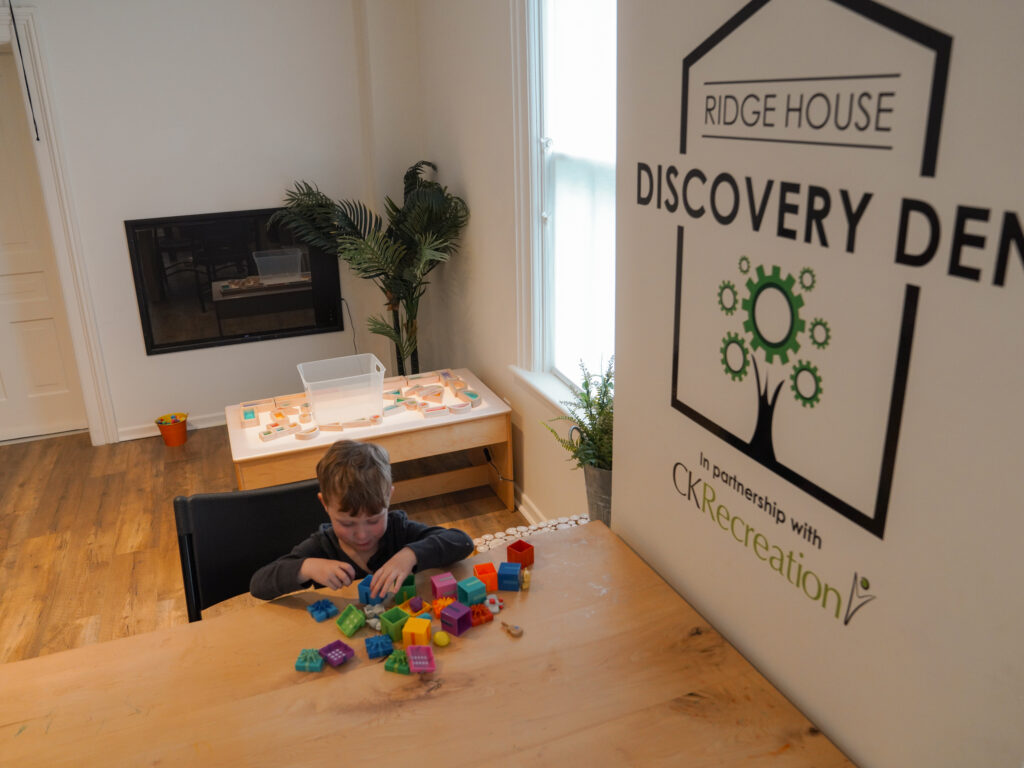
Let your kids’ imagination grow in our fun-filled, interactive, totally hands-on, innovative, and creative space at Ridge House Museum. Have fun with the whole family while exploring the history of Ridge House.
From light-up tables to magnet walls, there is much to keep everyone engaged with each visit. Enjoy time together in this natural-themed space by making new monthly crafts and playing with different building materials and games. Features include a magnetic wall, light tables, craft tables, games and a kitchen playset.
Subscribe for event highlights, creative stories, exhibition openings, artist spotlights, upcoming shows, and the latest cultural happenings delivered right to your inbox.